Most commented posts
- PRONUNCIATION – the ED sound — 4 comments
- GRAMMAR – The Passive Voice — 3 comments
- Adjectives + Prepositions (OF) — 2 comments
- Mastering the Modal: Understanding the Versatility of “Would” — 2 comments
- TOO vs. ENOUGH — 1 comment


Feb 01
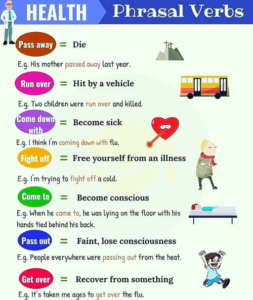
A phrasal verb is a combination of a verb and an adverb or preposition, for example ‘look up’ or ‘look after’, which together have a particular meaning which is different from the verb alone. If you have any questions or doubts, please ask in the comments or send me a private message. Follow me on Instagram: @englishyourwaybr or look for …
Permanent link to this article: https://learnenglishwithcarlo.com/phrasal-verbs-about-health/
Feb 01

A phrasal verb is a combination of a verb and an adverb or preposition, for example ‘look up’ or ‘look after’, which together have a particular meaning which is different from the verb alone. If you have any questions or doubts, please ask in the comments or send me a private message. Follow me on Instagram: @englishyourwaybr or look for …
Permanent link to this article: https://learnenglishwithcarlo.com/phrasal-verbs-about-family/
Feb 01

Idioms are expressions whose meanings are different from the individual words and therefore aren’t meant to be taken literally. They exist in most languages and are usually the result of usage over a long period of time. If you have any questions or doubts, please ask in the comments or send me a private message. …
Permanent link to this article: https://learnenglishwithcarlo.com/idiom-of-the-day-a-peice-of-cake/
Feb 01

Idioms are expressions whose meanings are different from the individual words and therefore aren’t meant to be taken literally. They exist in most languages and are usually the result of usage over a long period of time. If you have any questions or doubts, please ask in the comments or send me a private message. …
Permanent link to this article: https://learnenglishwithcarlo.com/idiom-of-the-day-face-the-music/
Feb 01

Idioms are expressions whose meanings are different from the individual words and therefore aren’t meant to be taken literally. They exist in most languages and are usually the result of usage over a long period of time. The idiom “cut to the chase” means to get to the point without wasting time on unnecessary details. …
Permanent link to this article: https://learnenglishwithcarlo.com/cut-to-the-chase-idiom/
Jan 31

Idioms are expressions whose meanings are different from the individual words and therefore aren’t meant to be taken literally. They exist in most languages and are usually the result of usage over a long period of time. Here’s an explanation of the idiom “keep in touch” along with the requested focus keyphrase, slug, and meta …
Permanent link to this article: https://learnenglishwithcarlo.com/keep-in-touch-idiom/
Jan 31

Idioms are expressions whose meanings are different from the individual words and therefore aren’t meant to be taken literally. They exist in most languages and are usually the result of usage over a long period of time. If you have any questions or doubts, please ask in the comments or send me a private message. …
Permanent link to this article: https://learnenglishwithcarlo.com/idiom-of-the-day-be-under-the-weather/
Jan 31

Idioms are expressions whose meanings are different from the individual words and therefore aren’t meant to be taken literally. They exist in most languages and are usually the result of usage over a long period of time. If you have any questions or doubts, please ask in the comments or send me a private message. …
Permanent link to this article: https://learnenglishwithcarlo.com/idiom-of-the-day-be-beside-the-point/
Jan 28
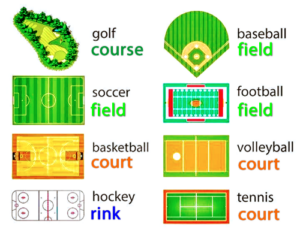
Do you know where different sports are played? Golf is played on a course. Baseball, soccer and American Football are played on a field Tennis, volleyball and basketball are played on a court. Hockey is played on a rink. What sports do you play? What sports do you like to watch? What’s the most memorable …
Permanent link to this article: https://learnenglishwithcarlo.com/vocabulary-sports/
Jan 27
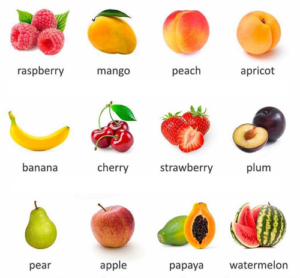
Here are some common fruits. Which ones do you know? Which ones have you eaten? Which one is your favorite? Raspberry; Mango; Peach; Apricot Banana; Cherry; Strawberry; Plum Pear; Apple, Papaya; Plum If you have any questions or doubts, please ask in the comments or send me a private message. Follow me on Instagram: @englishyourwaybr or …
Permanent link to this article: https://learnenglishwithcarlo.com/vocabulary-fruits/