Category: INSTAGRAM
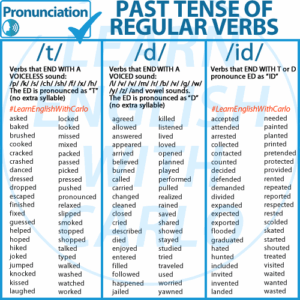
PRONUNCIATION – the ED sound There are three different ways to pronounce the ‘ED’ ending of regular verbs in the simple past tense: / t/ , / d / or / id /. The pronunciation depends on the sound at the end of the infinitive of the main verb and whether it is voiced or …
Continue reading
Permanent link to this article: https://learnenglishwithcarlo.com/pronunciation-ed-sound/
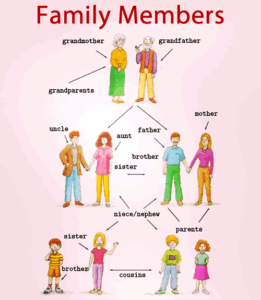
Now with PRONUNCIATION GUIDE Here are a couple of confusing definitions explained: How many of the above do you have in your family?
Permanent link to this article: https://learnenglishwithcarlo.com/vocabulary-family-members/
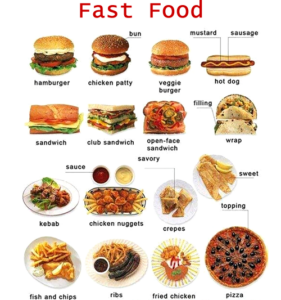
Popular Fast Food Dishes In addition to burgers and fries, fast food offers a variety of dishes depending on where you are in the world. Some popular fast food items include: Fast Food Vocabulary in Context Here are some common phrases you might hear when ordering fast food: Healthier Fast Food Options Fast food doesn’t …
Continue reading
Permanent link to this article: https://learnenglishwithcarlo.com/vocabulary-fast-food/
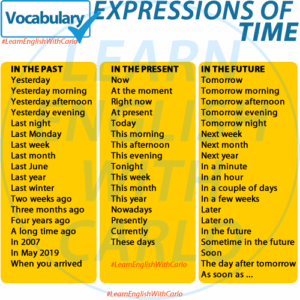
Do you know how to use phrases like “in the morning,” “next week,” or “a long time ago”? Expressions of time help you give more details when you’re talking about when things happen. Days/Weeks/Months/Years: Use on for days (“on Monday”), in for months/years (“in July”, “in 2022”), and at for specific times (“at 5 o’clock”). …
Continue reading
Permanent link to this article: https://learnenglishwithcarlo.com/vocabulary-expressions-of-time/
TOO: ENOUGH: Quick Tip: Here are examples for each of the patterns: TOO + Adjective TOO + Adverb TOO MANY + Noun (Countable) TOO MUCH + Noun (Uncountable) Adverb + ENOUGH Adjective + ENOUGH ENOUGH + Noun These examples should clarify how to use “too” and “enough” in different contexts!
Permanent link to this article: https://learnenglishwithcarlo.com/too-vs-enough-in-english/
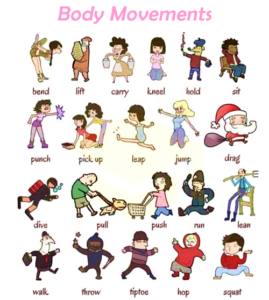
Here are some examples to better illustrate these verbs of movement: If you have any questions or doubts, please ask in the comments or send me a private message. Follow me on Instagram: @englishyourwaybror look for the hashtag #LearnEnglishWithCarlo
Permanent link to this article: https://learnenglishwithcarlo.com/vocabulary-body-movements/
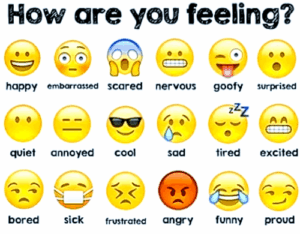
If you use social media at all, you should be very familiar with emojis – those cute little digital images or icons used to express an idea, emotion, etc. Here are a few of the emotions that they represent: happy embarrassed scared nervous goofy surpised quiet annoyed cool sad tired excited bored sick frustrated angry funny …
Continue reading
Permanent link to this article: https://learnenglishwithcarlo.com/vocabulary-emojis/
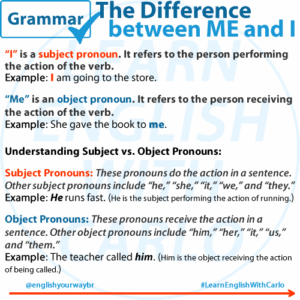
“I” is a subject pronoun. It refers to the person performing the action of the verb. “Me” is an object pronoun. It refers to the person receiving the action of the verb. Remember: When talking about yourself and another person, always put the other person first. The Difference Between “You and Me” vs. “You and …
Continue reading
Permanent link to this article: https://learnenglishwithcarlo.com/difference-between-you-and-me-vs-you-and-i/
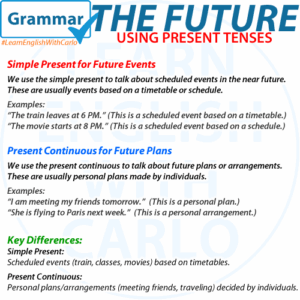
Did you know we can use the simple present and the present continuous tenses to talk about the future? Let’s dive into how we do this! Simple Present for Future Events When to use:We use the simple present to talk about scheduled events in the near future. These are usually events based on a timetable …
Continue reading
Permanent link to this article: https://learnenglishwithcarlo.com/using-present-tenses-to-talk-about-the-future/
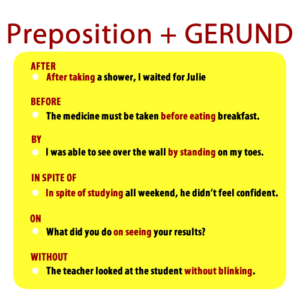
Understanding the correct use of prepositions with gerunds is crucial for mastering English grammar. This guide will help you navigate the common combinations, such as “interested in learning” and “good at cooking,” providing clear examples and practical exercises. Learning these patterns can enhance your writing and speaking skills, making your English more fluent and natural. …
Continue reading
Permanent link to this article: https://learnenglishwithcarlo.com/grammar-prepositions-with-gerunds/
Load more